
Termite Season in South Houston: What Brazoria County Homeowners Need to Know
Termites cost U.S. homeowners an estimated five billion dollars in damage and control costs each year, and the Gulf Coast is among the highest-risk regions in the country. In Brazoria County, the combination of clay-heavy soils, warm winters, high humidity, and a long frost-free season creates conditions where termite colonies thrive with very little seasonal interruption. Understanding when and why termite pressure peaks in this region helps you make better decisions about inspection timing, treatment options, and long-term protection for your home.
The Primary Termite Threats in South Houston
The dominant termite species in Brazoria County is the eastern subterranean termite (Reticulitermes flavipes), which is the most destructive termite species in North America. Subterranean termites live underground in large colonies and build mud tubes to access the wood in your home's structure. They feed on cellulose in wood continuously, 365 days a year.
The Formosan subterranean termite (Coptotermes formosanus) is also present throughout the Houston metro area. Formosan colonies are substantially larger than those of eastern subterranean termites and cause damage at a significantly faster rate. Formosan termites were first documented in Texas in the 1950s, likely introduced through port activity in Houston and Galveston, and have expanded steadily across the region since then. If you are in Brazoria or Galveston County, both species are a realistic concern.
When Termite Swarms Happen in This Region
Termite swarms are the most visible sign that a colony is mature and actively expanding. Swarmers are winged reproductive termites that leave the colony in large numbers to mate and establish new colonies. In South Houston, eastern subterranean termites typically swarm in spring, beginning as early as February or March when temperatures reach the upper 60s and conditions are humid. Formosan termites swarm later, typically in May and June, often in the evening hours near light sources.
Finding swarmers inside your home is a significant warning sign. It means a mature colony is already established nearby, almost certainly inside the structure itself or directly adjacent to it. Finding discarded wings near windowsills or baseboards is often the first indication homeowners notice.
Signs of Termite Activity That Don't Involve Swarms
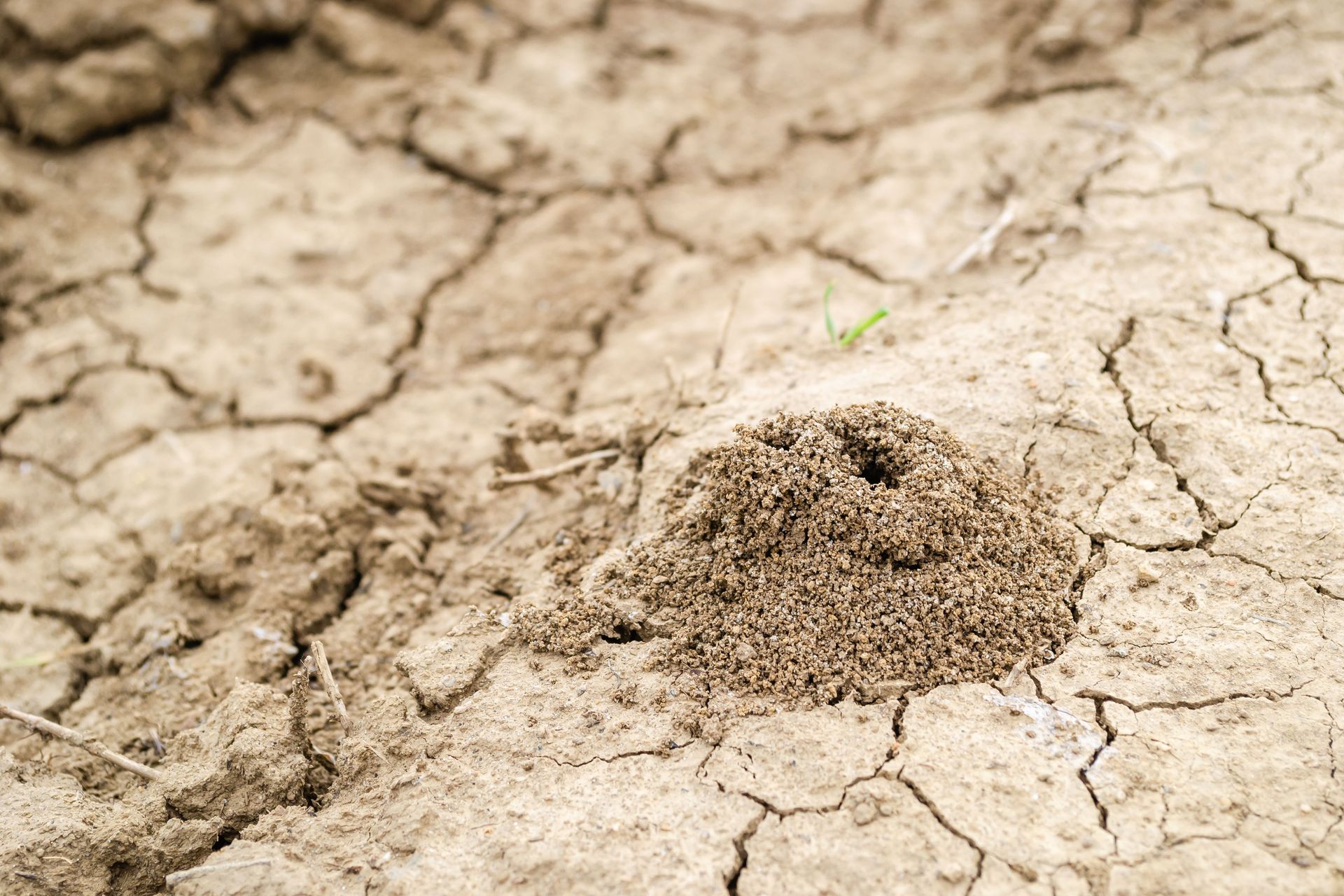
Most termite infestations are discovered through indicators other than swarms. Mud tubes on foundation walls, pier blocks, or in crawl spaces are a definitive sign of active or recent subterranean termite presence. These pencil-width tunnels are how termites travel from the soil to the wood above without exposure to open air.
Hollow-sounding wood when tapped is another reliable indicator. Termites feed from the inside out, which means a beam or floor joist can be severely compromised before any visible surface damage appears. Bubbling or uneven paint that resembles water damage is also a warning sign, as termites generate moisture as they feed. Piles of discarded wings near windowsills, doorframes, or baseboards indicate swarmers have recently been active in or near the structure.
Soil and Construction Conditions That Increase Risk in Brazoria County
South Houston's clay-heavy soils retain moisture well, which creates ideal foraging conditions for subterranean termites. Homes built on slab foundations with wood-to-soil contact points, or with moisture issues in crawl spaces, carry higher baseline risk. Properties near wooded areas, water retention ponds, or drainage ditches face elevated pressure as termite colonies forage outward from those moisture-rich environments.
The region's significant construction growth over the past two decades also means a large number of newer homes with pressure-treated lumber that has now aged past its peak chemical protection window, making professional monitoring increasingly important as those homes mature.
When to Schedule a Termite Inspection
The most effective time to schedule a termite inspection in South Houston is late winter to early spring, before swarming season begins. An inspection completed in February or early March allows time for treatment before colonies become active above ground. That said, termite inspections are warranted any time you notice any of the warning signs described above, regardless of season.
Green Country Pest Control provides termite inspections, treatments, and monitoring throughout Alvin and the broader service area , including Pearland, Friendswood, League City, Lake Jackson, and the full Houston metro. If you are buying or selling a home, termite inspection documentation is a standard part of many real estate transactions in this region.
Schedule a termite inspection or call our team to discuss what you're seeing at your property. Early detection is the difference between a manageable treatment and a structural repair bill. Existing customers can also access service records through the customer portal.

Hi There, I'm Read Flake.
As a Houston homeowner with a family, I know exactly what goes through your head when you find a pest problem. You want it handled fast, and you want to know your kids are safe. That is the standard I built Green Country around, and it is the standard every technician on my team is held to every single day.